
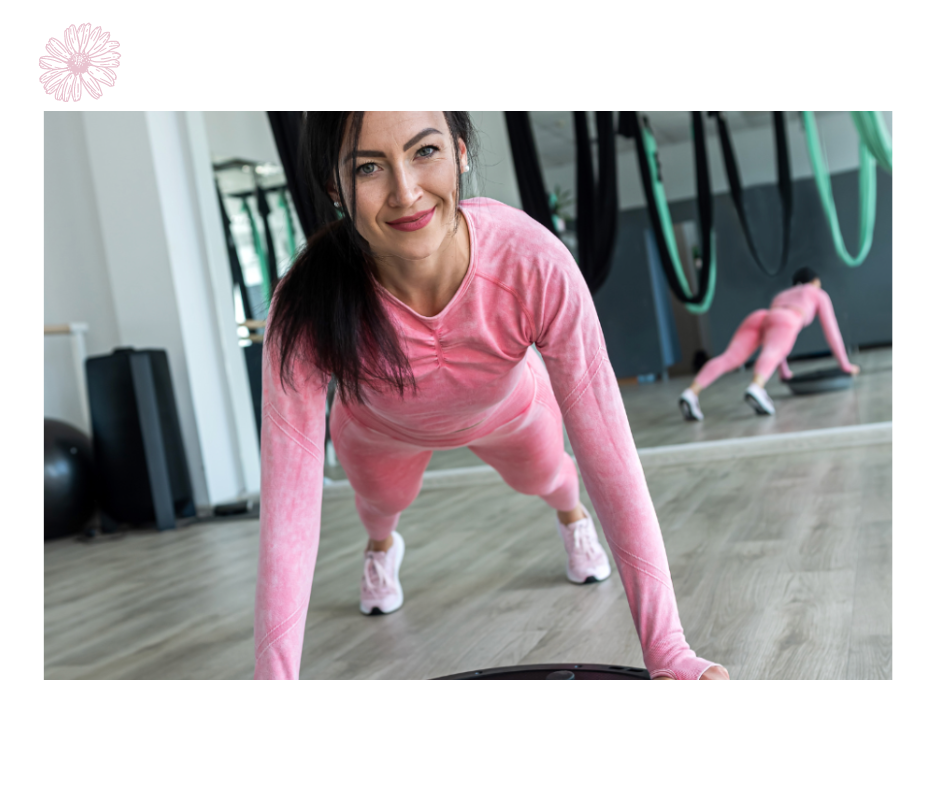
Strength and Conditioning training involves a wide range of exercises developed to build a variety of skills with a focus on mind, mobility, stability, strength, endurance, power, speed, agility and performance.
Strength and Conditioning programs are generally developed specifically to improve performance in athletic competition however all people can train with these principles in mind and I utilise these modalities when training my clients. I will also use pilates, yoga and Feldenkrais movements as well, particularly in the warm-up or cool-down phase of a session.
They also help with injury prevention and develop the proper mechanics with both an athlete’s sports performance and with the general population like myself who I like to say are ‘life’ athletes – aiming to live a longer, healthier life.
A key point to remember is a balanced training program that includes a range of Strength and Conditioning exercises will provide a strong foundation for developing the necessary skills to enjoy any chosen sport or activity.
Strength and Conditioning training has two primary goals.
- The first is to improve performance, which usually means improving your mobility, stability, strength, endurance, power, speed, agility and overall performance. Or as I often say, each person has their own goals so for one it may be improving strength, stability and mobility for another it maybe endurance (to endure a long hike), strength and agility.
- The second primary goal is to reduce injuries. To that end, conditioning coaches often design regimens to strengthen body parts that are prone to injury in a particular sport. For me, it is about ensuring they have the proper mechanics or technique to, for example, lift weights, proper pelvic floor exercises or preparing for running events or any activity that encompasses a client’s life.
So, where to start? A qualified Personal Trainer, Fitness Instructor or Strength & Conditioning Coach is ideal. There is nothing like being in person to not only show you how it is done but then teach you and cue you. But if this is out of your budget, go online or to YouTube and find yourself a reputable trainer. During Covid, we did a range of programs from beginner to more advanced, and you are welcome to check them out here.
Like anything, if you are just starting out or returning from an injury start low and slow. Low weights, shorter periods of time, check the tempo of your exercise not too slow and not too fast, warm up with mobility exercises (flowing movements) or hop on a bike or treadmill and always do some light stretching at the end.
If you’d like to know more about where to start, I’d love to support you. I offer free 30-minute calls so simply respond to this email and we can set up a time that suits you. This is what I love doing so please reach out if you’d like to start exercising – no matter where you live, I can help you find something or someone that suits you.